
One of the most common questions dermatologists hear during the warmer months is whether laser treatments should be postponed until winter. Many people believe that the summer heat, increased humidity, or stronger sunlight automatically make laser procedures unsafe. As a result, they delay treatments for acne scars, pigmentation, unwanted hair, or skin rejuvenation, often without understanding the actual risks.
The truth is that summer itself is not the reason to avoid laser treatments. Modern laser technology is designed to be used throughout the year when patients are carefully evaluated and follow the correct pre-treatment and post-treatment instructions. What matters most is your skin condition, recent sun exposure, the type of laser being used, and how well you protect your skin after the procedure.
For people living in Pakistan, this question becomes even more relevant during the monsoon season. July and August bring humid weather, frequent sweating, and outdoor activities, making many patients wonder whether these conditions could interfere with healing or increase the chances of complications.
Understanding how laser treatments work and how seasonal weather affects your skin can help you make an informed decision instead of relying on common misconceptions.
Table of Contents
- Why Do People Think Laser Treatments Should Be Avoided During Summer?
- Is It Safe to Get Laser Treatments During Summer or Monsoon?
- How Summer and Humid Weather Affect Your Skin
- Does Humid Weather Affect Laser Treatment Results?
- Which Laser Treatments Can Be Performed During Summer?
- Common Myths About Laser Treatments During Summer
- When Should You Consult a Dermatologist?
- The Bottom Line
- Frequently Asked Questions
Why Do People Think Laser Treatments Should Be Avoided During Summer?
The belief that laser treatments should only be performed during winter has existed for many years. While there is some logic behind this advice, it is often misunderstood.
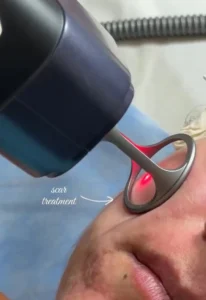
Laser treatments work by delivering controlled light energy into the skin. Some lasers specifically target pigment, while others stimulate collagen production or remove damaged layers of skin. Since freshly treated skin becomes more sensitive to ultraviolet (UV) rays, excessive sun exposure after the procedure can increase the risk of pigmentation changes or delayed healing.
This has led many people to assume that the summer season itself is unsafe for laser procedures.
In reality, it is not the weather that creates the risk. The real concern is prolonged exposure to direct sunlight before and after treatment. Patients who spend long hours outdoors without proper protection are more likely to experience complications than those who follow their dermatologist’s advice.
Today’s laser technologies, combined with personalized treatment planning, make it possible to perform many laser procedures safely throughout the year.
Is It Safe to Get Laser Treatments During Summer or Monsoon?
The short answer is YES, its safe.
Laser treatments can be safely performed during summer and the monsoon season when they are carried out by a qualified dermatologist and supported by proper aftercare.
Every patient has different skin characteristics. Factors such as natural skin tone, recent tanning, medical history, existing skin conditions, and lifestyle all influence whether a particular laser treatment is appropriate.
Before recommending a procedure, a dermatologist evaluates several important factors, including:
- Your skin type
- Current skin condition
- Presence of active acne or infections
- Recent sun exposure
- History of pigmentation
- Current skincare products and medications
This assessment helps determine the safest laser settings and reduces the likelihood of unwanted side effects.
Patients should understand that the goal is not simply to perform the treatment but to achieve safe, predictable, and long-lasting results.
ALSO READ: Essential Tips to Keep Your Skin Healthy During Humid Weather
How Summer and Humid Weather Affect Your Skin
Summer weather in Pakistan presents unique challenges for skin health. High temperatures, humidity, pollution, and intense UV exposure can all influence how the skin responds before and after laser treatment.
Humidity increases sweating and often stimulates greater oil production. Sweat mixed with dirt, sunscreen, makeup, and environmental pollutants may clog pores, leading to acne or skin irritation.
At the same time, ultraviolet radiation remains strong throughout the summer, even on cloudy or rainy days. This means that skin recently treated with laser procedures requires additional protection from sunlight to reduce the risk of post-inflammatory pigmentation.
The monsoon season also encourages bacterial and fungal growth because of prolonged moisture on the skin. Although humidity itself does not interfere with laser technology, maintaining proper skin hygiene during recovery becomes even more important.
Does Humid Weather Affect Laser Treatment Results?
This is another question many patients ask.
The simple answer is NO.
Humidity does not reduce the effectiveness of laser treatments. The laser works beneath the skin’s surface, and its ability to stimulate collagen or target pigment is not affected by moisture in the air.
However, humid weather can influence how comfortable your recovery feels.
For example, increased sweating may irritate freshly treated skin if proper aftercare is not followed. Spending long hours outdoors immediately after treatment may also increase exposure to heat, dust, and pollution, all of which can slow the healing process.
Most of these concerns can be managed by following simple precautions recommended by your dermatologist, such as keeping the treated area clean, avoiding unnecessary heat exposure, and applying sunscreen consistently.
Which Laser Treatments Can Be Performed During Summer?
Many patients are surprised to learn that several commonly performed laser procedures remain suitable throughout the year.
| Laser Treatment | Can It Be Performed During Summer? | Important Considerations |
| Laser Hair Removal | Yes | Avoid tanning before and after treatment. |
| Acne Scar Laser | Yes | Follow recovery instructions carefully. |
| Pigmentation Laser | Yes | Daily sunscreen use is essential. |
| Skin Rejuvenation Laser | Yes | Downtime depends on the laser used. |
| Fractional Laser | Yes | Best performed under dermatologist supervision. |
The most suitable treatment depends on your skin type, the concern being treated, and your ability to follow aftercare instructions.
Who May Need to Delay Laser Treatment?
Although laser treatments can be performed throughout the year, there are situations where postponing treatment is the safest option. A qualified dermatologist will always assess your skin before recommending any procedure.
You may be advised to wait if you:
- Have recently developed a suntan or sunburn.
- Have an active skin infection, cold sore, or fungal infection.
- Have open wounds or cuts in the treatment area.
- Are experiencing severe acne inflammation that requires medical treatment first.
- Have recently used medications that increase skin sensitivity, such as isotretinoin or certain antibiotics.
- Are pregnant or breastfeeding, depending on the type of cosmetic procedure being considered.
Delaying treatment in these situations helps reduce the risk of complications and ensures that your skin is in the best possible condition before the procedure.
How Dermatologists Make Laser Treatments Safer During Summer
One of the biggest misconceptions is that laser treatments follow the same protocol for every patient. In reality, treatment plans are carefully adjusted based on individual skin characteristics and environmental factors.

Before recommending laser treatment, a dermatologist will usually assess:
- Your skin type and natural skin tone
- The condition being treated
- Recent sun exposure or tanning
- Current skincare routine
- Medical history
- Previous cosmetic treatments
Based on this assessment, treatment settings may be modified to improve safety while maintaining effectiveness.
Your dermatologist may also recommend preparing your skin before treatment by temporarily stopping certain skincare products such as retinoids or exfoliating acids. These adjustments help reduce irritation and allow the skin to respond more comfortably.
This personalized approach is one of the reasons why laser treatments in Islamabad remain a safe option throughout the year when performed under professional supervision.
Essential Aftercare Tips for Laser Treatments During Summer
Recovery plays a major role in achieving the best possible results. Following your dermatologist’s instructions helps minimize irritation and supports healthy healing.
Some important aftercare recommendations include:
Protect Your Skin from Sun Exposure
Avoid direct sunlight whenever possible during the first few days after treatment. If you need to be outdoors, wear protective clothing and apply a broad-spectrum sunscreen with SPF 30 or higher.
Keep Your Skin Hydrated
Laser-treated skin may temporarily feel dry or tight. Applying a gentle moisturizer helps restore the skin barrier and improves comfort during recovery.
Avoid Excessive Heat
For the first 24 to 48 hours, avoid activities that generate excessive heat, including:
- Steam rooms
- Saunas
- Hot showers
- Intense exercise
- Outdoor activities during peak sunlight hours
Avoid Picking or Scratching the Skin
Some laser procedures may cause mild peeling as the skin heals. Allow the skin to recover naturally without picking at flakes or scabs, as this may increase the risk of pigmentation or scarring.
Pause Harsh Skincare Products
Your dermatologist may recommend temporarily avoiding:
- Retinoids
- Chemical exfoliants
- Scrubs
- Alcohol-based toners
Restart these products only after your skin has healed.
ALSO READ: Is Laser Treatment Safe for Your Skin? A Simple Medical Guide by a Dermatologist
Common Myths About Laser Treatments During Summer
Many myths continue to discourage people from seeking treatment at the right time. Understanding the facts helps patients make informed decisions.
Myth: Laser treatments should only be done during winter.
Fact: Modern laser procedures can be safely performed throughout the year. The key is protecting your skin from excessive sun exposure before and after treatment.
Myth: Humid weather makes laser treatments ineffective.
Fact: Humidity does not reduce the effectiveness of laser technology. Following proper aftercare is far more important than the season itself.
Myth: You cannot leave your home after laser treatment.
Fact: Patients can continue their normal daily activities while taking reasonable precautions such as wearing sunscreen and limiting unnecessary sun exposure.
Myth: Laser treatments permanently thin the skin.
Fact: Many laser procedures stimulate collagen production, helping improve skin texture and firmness over time.
Myth: One laser session is enough.
Fact: Most skin concerns require multiple treatment sessions. Improvement usually occurs gradually as the skin heals and collagen continues to rebuild.
Myth: Laser treatments are unsafe for darker skin tones.
Fact: Advances in laser technology have made many treatments suitable for darker skin tones when the correct devices and settings are selected by an experienced dermatologist.
When Should You Consult a Dermatologist?
Laser treatments are highly personalized, and not every skin concern requires the same approach. If you are considering laser treatment for acne scars, pigmentation, uneven skin texture, unwanted facial or body hair, or early signs of aging, a professional skin assessment is the best place to start.
A dermatologist can evaluate your skin type, discuss your expectations, identify any factors that may affect treatment, and recommend the most appropriate procedure for your concerns.
If you are searching for the best dermatologist in Islamabad to discuss laser treatment options, you can learn more about the available services by visiting this page.
For clinic information, patient reviews, and appointment details, you can also visit the official Google Business Profile
The Bottom Line
Choosing the right time for laser treatment is a common concern, especially during the summer and monsoon season. While many people believe they should postpone treatment until winter, current dermatology practices show that this is not always necessary.
The safety and success of laser treatments depend on professional evaluation, selecting the right laser technology, following personalized treatment plans, and protecting your skin before and after each session. Humid weather and warmer temperatures do not prevent laser treatments from being performed safely, provided that patients follow the recommended precautions.
If you have been delaying treatment because of seasonal myths, speaking with an experienced dermatologist can help you understand whether laser treatment is suitable for your skin today. A personalized consultation allows you to receive advice based on your skin type, lifestyle, and treatment goals, giving you the confidence to move forward with the safest and most effective plan.
Frequently Asked Questions
1. Can I get laser treatment during summer?
Yes. Laser treatments can be safely performed during the summer when they are recommended by a qualified dermatologist and appropriate precautions are followed. Your skin type, recent sun exposure, and the specific laser procedure are more important than the season itself. Wearing sunscreen and following post-treatment instructions help reduce the risk of complications.
2. Is laser treatment safe during the monsoon season?
Yes. Humid weather does not make laser treatments unsafe. The laser works beneath the skin’s surface, so humidity does not affect its performance. However, because people tend to sweat more during the monsoon, it is important to keep the treated area clean and follow your dermatologist’s aftercare advice.
3. Should I wait until winter before starting laser treatments?
Not necessarily. While winter can be a convenient time for some people because of reduced sun exposure, many laser treatments are successfully performed throughout the year. If you can protect your skin from excessive sunlight and follow aftercare recommendations, there is usually no medical reason to delay treatment.
4. Can laser treatments cause pigmentation during summer?
Laser treatments themselves do not usually cause pigmentation when performed correctly. However, exposing freshly treated skin to direct sunlight without proper protection can increase the risk of post-inflammatory pigmentation. Using sunscreen daily and limiting unnecessary sun exposure significantly reduces this risk.
5. How long should I avoid sunlight after laser treatment?
The recommended time varies depending on the type of laser procedure performed. In general, patients should avoid prolonged direct sun exposure for at least one to two weeks and continue using a broad-spectrum sunscreen every day. Your dermatologist will provide personalized guidance based on your treatment.
6. Does sweating affect laser treatment results?
Sweating does not reduce the effectiveness of laser treatment, but excessive sweating immediately after the procedure may irritate sensitive skin and delay recovery. It is generally recommended to avoid strenuous exercise, steam rooms, and activities that cause heavy sweating for the first 24 to 48 hours.
7. Which laser treatments can safely be performed during summer?
Several procedures can be safely performed during summer, including laser hair removal, acne scar treatments, skin rejuvenation, pigmentation treatments, and fractional laser procedures. The most suitable option depends on your skin type, medical history, and individual skin concerns.
8. Can I wear makeup after laser treatment?
It depends on the type of laser used. Some treatments allow makeup after 24 hours, while others require a longer recovery period. Applying makeup too early may increase irritation or affect healing. Always follow the aftercare instructions provided by your dermatologist.
9. Is sunscreen necessary after laser treatment, even on cloudy days?
Yes. Ultraviolet rays can still reach your skin on cloudy or rainy days. Daily sunscreen use is one of the most important steps in protecting healing skin, reducing pigmentation risk, and maintaining the results of your laser treatment.
10. How do I know if I am a suitable candidate for laser treatment?
The best way to determine whether laser treatment is right for you is through a professional consultation. A dermatologist will evaluate your skin type, medical history, current skin condition, treatment goals, and recent sun exposure before recommending the most appropriate procedure.