
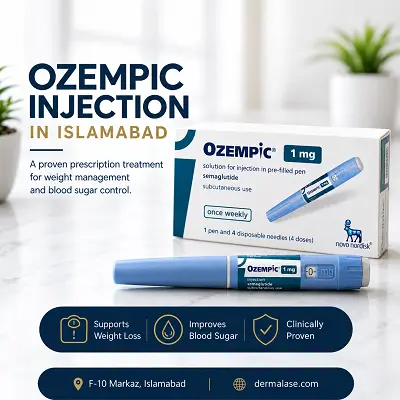
Struggling to control your appetite, blood sugar, or stubborn weight despite diet and exercise? At Dermalase Clinic, Islamabad, Ozempic (semaglutide) injections are administered under the direct supervision of Dr. Shumaila Khan, our lead Aesthetic Physician, alongside our in-house team of dermatologists. Every patient goes through a proper medical evaluation before treatment begins — this isn’t a walk-in jab, it’s a monitored weight and metabolic health program.
Table of Contents
- What Is Ozempic Injection?
- How Does Ozempic Help With Weight Loss?
- What are the Benefits of Ozempic Injections
- Who Is an Ideal Candidate for Ozempic Injection?
- Who should NOT take Ozempic?
- Detailed Procedure of Ozempic Injection in Islamabad: What to Expect
- A realistic results timeline of Ozempic Injection by Dr Shumaila Khan
- Ozempic vs. Other Weight-Loss Injections — Which Is Right for You?
- A Word on Authenticity: Avoiding Counterfeit Ozempic
- Why Choose Dermalase Clinic in Islamabad?
- Ozempic Pen and Delivery in Islamabad
- Ozempic Injection price in Islamabad
- How to Book an Appointment at Dermalase Clinic?
- Frequently Asked Questions about Ozempic in Islamabad
What Is Ozempic Injection?
Ozempic is the brand name for semaglutide, a GLP-1 receptor agonist originally developed to manage type 2 diabetes and now widely used for medically supervised weight loss. It’s manufactured by Novo Nordisk and available in Pakistan strictly as a prescription-only medicine — meaning a licensed physician must assess you before it’s prescribed.
Semaglutide works by mimicking a natural gut hormone called GLP-1 (glucagon-like peptide-1). This hormone signals fullness to your brain, slows down how quickly food leaves your stomach, and helps your body use insulin more efficiently. The result is reduced appetite, fewer cravings, and — over weeks — steady, sustainable weight loss alongside better blood sugar control.
It’s given as a once-weekly subcutaneous injection, usually self-administered at home after proper training, or given in-clinic during your visits.
How Does Ozempic Help With Weight Loss?
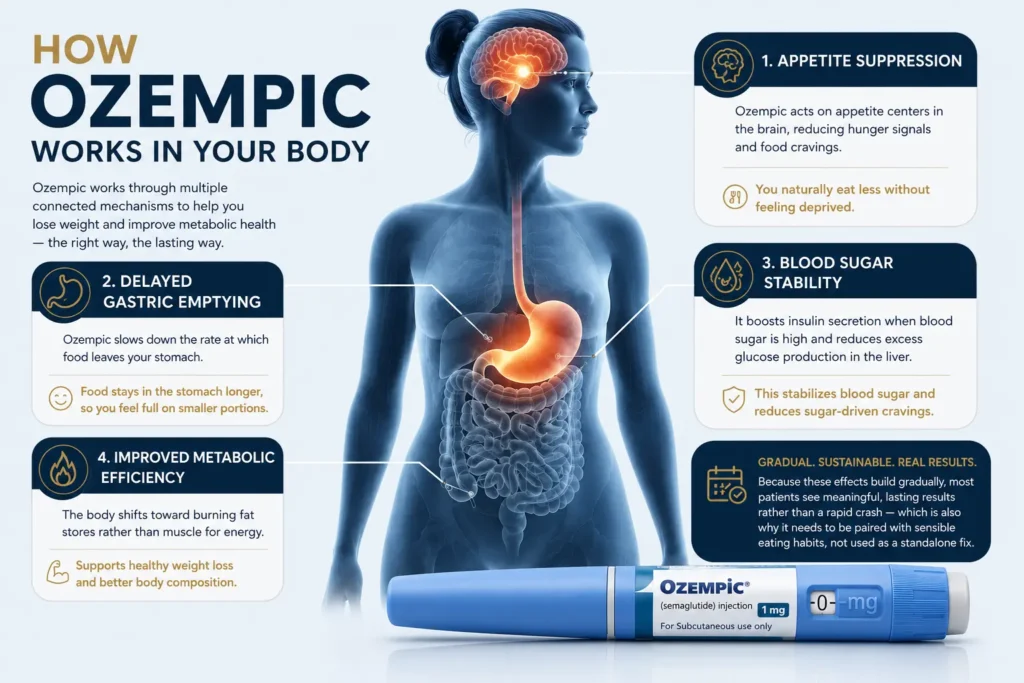
Ozempic acts on the body through several connected mechanisms:
- Appetite suppression — it acts on appetite centers in the brain, reducing hunger signals and food cravings.
- Delayed gastric emptying — food stays in the stomach longer, so you feel full on smaller portions.
- Blood sugar stability — it boosts insulin secretion when blood sugar is high and reduces excess glucose production in the liver, which also cuts down on sugar-driven cravings.
- Improved metabolic efficiency — the body shifts toward burning fat stores rather than muscle for energy.
Because these effects build gradually, most patients see meaningful, lasting results rather than a rapid crash — which is also why it needs to be paired with sensible eating habits, not used as a standalone fix.
What are the Benefits of Ozempic Injections
- Clinically documented, sustainable weight loss — not just water weight
- Convenient once-weekly dosing (no daily pills or multiple injections)
- Improved blood sugar control for patients with type 2 diabetes or insulin resistance
- Reduced appetite and food noise, making portion control easier to maintain
- Support for healthier cardiovascular risk markers as weight and blood sugar improve
- No surgery, no anesthesia, and no downtime — you resume your day immediately after each injection
Who Is an Ideal Candidate for Ozempic Injection?
You may be a good candidate for Ozempic at Dermalase Clinic if you:
- Have a BMI of 30+ (obese), or a BMI of 27+ with a weight-related condition such as high blood pressure or prediabetes
- Have type 2 diabetes and need better glycemic control
- Have tried diet and exercise alone without the results you were hoping for
- Are prepared to commit to weekly injections and follow-up visits over several months
- Are willing to pair treatment with realistic dietary and lifestyle adjustments
Who should NOT take Ozempic?
Being upfront about this matters as much as the benefits do. Ozempic is generally not suitable if you:
- Have a personal or family history of medullary thyroid carcinoma (MTC) or Multiple Endocrine Neoplasia syndrome type 2 (MEN 2)
- Have a history of pancreatitis
- Are pregnant, planning pregnancy, or breastfeeding
- Have severe, unresolved gastrointestinal disease
- Are allergic to semaglutide or any ingredient in the formulation
This is exactly why a proper consultation — not a walk-in purchase — comes first at Dermalase.
Detailed Procedure of Ozempic Injection in Islamabad: What to Expect
1. Initial consultation and medical assessment: Dr. Shumaila Khan and the clinical team review your full medical history, current medications, allergies, BMI, and weight-loss or diabetes-management goals. Baseline weight, and relevant lab work if needed, are recorded.
2. Personalized dosing plan: Ozempic dosing is titrated gradually — treatment typically starts at a low dose (commonly 0.25 mg once weekly) for the first few weeks, purely to let your body adjust, before increasing in steps based on your response and tolerance. Your exact schedule is set by your treating physician, not a fixed formula.
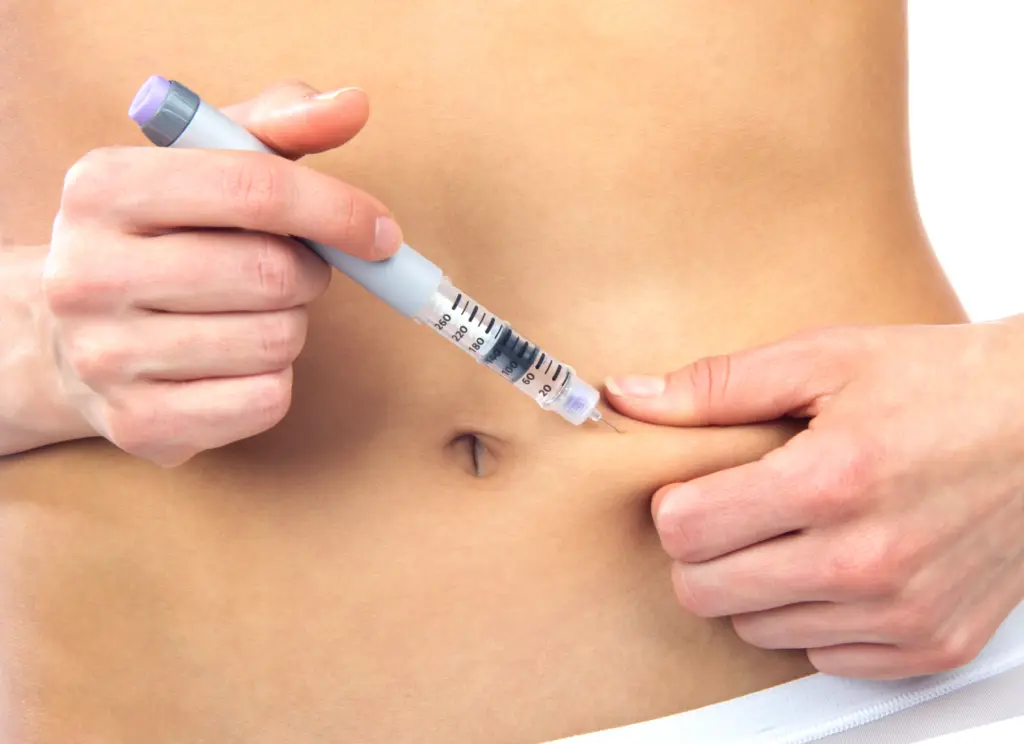
3. Injection administration: The injection is given subcutaneously — under the skin — in the abdomen, thigh, or upper arm, using a fine, virtually painless needle. Injection sites are rotated each week to avoid irritation at any one spot.
4. Ongoing monitoring: You’ll have scheduled follow-ups to track weight change, side effects, and blood sugar (if relevant), with dose adjustments made as needed rather than left on autopilot.
5. Lifestyle integration: Our team pairs the injection schedule with practical dietary guidance — Ozempic works best as part of a plan, not in isolation.
A realistic results timeline of Ozempic Injection by Dr Shumaila Khan
- Weeks 1–2: Reduced appetite and food cravings begin; some early improvement in blood sugar.
- Weeks 3–4: Noticeable, steady weight loss starts as gastric emptying slows further.
- Weeks 5–8: More visible fat loss; dose may be increased under supervision for continued progress.
- Weeks 9–12 and beyond: Many patients reach 5–15% body weight reduction over 2–4+ months, alongside better energy and blood sugar control, when combined with lifestyle changes.
Results vary by individual — your response depends on starting weight, dose, adherence, and metabolic factors, which is why ongoing physician monitoring matters more than a fixed promise.
Ozempic vs. Other Weight-Loss Injections — Which Is Right for You?
Patients often ask how Ozempic compares to other GLP-1 or GIP-based injectables also available in Islamabad:
- Ozempic (semaglutide) — once-weekly GLP-1 agonist; the most established option, originally developed for type 2 diabetes, now widely used off-label for weight management.
- Wegovy (semaglutide, higher dose) — the same active ingredient as Ozempic but formulated and dosed specifically for weight loss.
- Mounjaro/Tirzepatide — a dual GLP-1/GIP agonist; some patients see faster results, though individual response and tolerance vary.
- Saxenda (liraglutide) — an older GLP-1 option requiring daily rather than weekly injections.
There’s no universal “best” — the right choice depends on your health profile, prior response to treatment, and your doctor’s assessment. This is discussed openly during your consultation at Dermalase rather than defaulting to whichever product is being promoted that month.
A Word on Authenticity: Avoiding Counterfeit Ozempic
Because Ozempic has surged in popularity, counterfeit and unlicensed semaglutide pens have become a genuine risk in the Pakistani market — sold cheaply outside proper clinical channels, sometimes with no active ingredient at all, or an unsafe one. At Dermalase Clinic:
- Ozempic pens are sourced only through licensed, verifiable pharmaceutical channels
- Pens are stored under proper cold-chain refrigeration from delivery to administration
- Every dose is administered or dispensed under direct medical supervision, not sold over the counter without assessment
If you’re ever offered Ozempic outside a licensed clinical setting at a suspiciously low price, treat that as a red flag.
Why Choose Dermalase Clinic in Islamabad?
- Physician-led care — treatment is overseen by Dr. Shumaila Khan, Aesthetic Physician, supported by Dermalase’s in-house team of dermatologists, rather than administered by unsupervised clinic staff.
- Team-based follow-up — because Dermalase combines aesthetic medicine with dermatology expertise under one roof, skin-related side effects (such as injection-site reactions) and overall skin health during weight change can be monitored by the same clinical team.
- Individualized dosing — no fixed one-size-fits-all schedule; titration is based on your response, not a generic protocol.
- Verified, authentic medication — sourced through legitimate pharmaceutical supply chains, not resold or unofficial stock.
- Ongoing monitoring, not a one-time transaction — your program includes scheduled follow-ups to track progress and adjust safely.
Dr. Shumaila Khan is board-certified by the American Academy of Aesthetic Medicine (AAAM). She founded Dermalase in 2010 and brings over 15 years of clinical experience in dermatology, aesthetic medicine, and medically supervised weight management to every patient she treats.

Ozempic Pen and Delivery in Islamabad
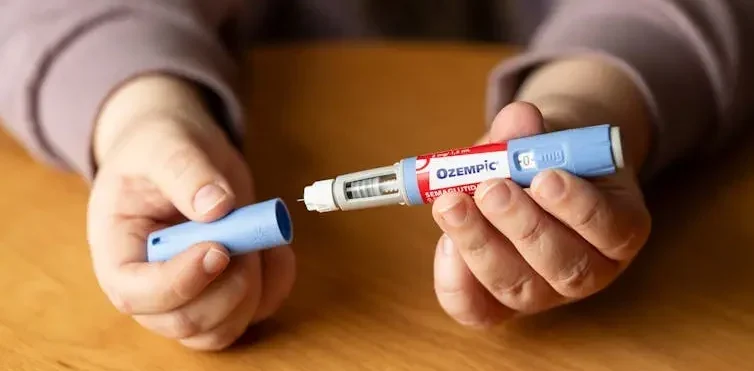
Ozempic is administered via its original prefilled Novo Nordisk pen, using an ultra-fine, single-use needle designed for minimal discomfort. No lasers, devices, or additional equipment are required for the injection itself — the pen’s dosage dial allows your physician to set your exact prescribed dose accurately at each visit.
Ozempic Injection price in Islamabad
Ozempic price in Islamabad at Dermalase Clinic starts from PKR 15,000 — your exact cost depends on your prescribed dose, the number of pens required, treatment duration, and whether follow-up consultations or dietary guidance are bundled in. Because dosing is titrated individually rather than fixed, your final price is confirmed precisely during your consultation with Dr. Shumaila Khan.
How to Book an Appointment at Dermalase Clinic?
Ready to start your Ozempic injection treatment in Islamabad? Booking your consultation with Dr. Shumaila Khan at Dermalase Clinic is simple:
- Call or WhatsApp Dermalase Clinic at (+92) 303 555 8444 to book your Ozempic injection consultation in Islamabad
- Come in for your initial medical assessment with Dr. Shumaila Khan at A-103, Main Sumbal Road, F-10/1, Islamabad
- Receive your personalized Ozempic dosing plan and first injection, if you’re cleared for treatment
- Book your follow-up schedule before you leave, so your weight-loss and monitoring plan stays on track
Don’t wait to get expert, physician-supervised care — book your Ozempic injection in Islamabad at Dermalase Clinic today and start your journey with a team you can trust.

Frequently Asked Questions about Ozempic in Islamabad
Is Ozempic available in Pakistan?
Yes. It’s available as a single authorized brand (manufactured by Novo Nordisk) and is legally a prescription-only medicine — it should only be obtained through a licensed physician, not over the counter.
How much weight can I expect to lose with Ozempic?
Clinical experience shows many patients lose roughly 5–15% of their body weight over 2–4+ months when Ozempic is combined with dietary changes, though individual results vary by starting weight, dose, and adherence.
The injection uses a very fine needle and is typically described as minimally uncomfortable — more of a quick pinch than a painful jab.
Can I use Ozempic if I’m not diabetic?
Yes, non-diabetic patients are commonly prescribed Ozempic for weight management, but only under medical supervision after a proper eligibility assessment.
What happens if I miss a weekly dose?
If it’s been fewer than 5 days since your scheduled dose, take it as soon as you remember. If more than 5 days have passed, skip that dose and wait for your next scheduled injection — never double up to “catch up,” and check with your doctor if you’re unsure.
Can I change the day I take my injection each week?
Yes, as long as there are at least 2 days between doses — but keeping a consistent weekly day makes it easier to stay on schedule.
Is Ozempic safe for long-term use?
It can be used long-term under continued medical supervision, with regular monitoring of weight, blood sugar, and any side effects.
Will I regain the weight if I stop Ozempic?
Weight regain is possible if dietary and lifestyle changes aren’t maintained after stopping. Sustainable results depend on the habits built during treatment, not the medication alone.
How is Ozempic different from Wegovy or Mounjaro?
Ozempic and Wegovy share the same active ingredient (semaglutide) but differ in dosing strategy; Mounjaro (tirzepatide) works on two hormone pathways instead of one. Your doctor will help determine which fits your health profile best.
Yes, after proper training from the clinical team on injection technique, site rotation, and storage — with regular in-person follow-ups to track your progress.
Are there dietary restrictions while on Ozempic?
No strict food restrictions, but a balanced, portion-controlled diet significantly improves and speeds up results.
How do I know the Ozempic pen I’m getting is genuine?
At Dermalase, pens are sourced through verified pharmaceutical supply channels and stored under proper refrigeration — ask to see the packaging and batch details, which is your right as a patient.