
Advanced Neck Rejuvenation: Targeted Solutions for Neck Aging
Your face may still look fresh, but the neck can sometimes tell a different story. Horizontal lines, loose or crepey skin, and vertical neck bands can become noticeable with age, sun exposure, repeated movement, weight changes, and gradual loss of collagen and elastin. This is also why applying a neck cream every day may not produce the improvement you expect. Skincare can improve hydration and support the skin barrier, but different types of neck aging involve different tissues. A cream cannot relax an overactive muscle, replace lost structural support, or significantly tighten loose skin. Effective neck rejuvenation therefore starts with identifying what is actually causing the visible change. For some people, the main concern is horizontal neck lines. For others, it is loose skin and reduced elasticity. Some develop prominent vertical platysma bands. And many people have a combination of these concerns. The treatment approach needs to match the cause.
Why Does the Neck Age Differently?
The neck has relatively thin skin and is exposed to many of the same environmental factors that affect the face, including ultraviolet radiation and pollution. Over time, collagen and elastin decline, skin becomes less resilient, and lines that were once temporary can become more visible at rest. Repeated neck movement may also contribute to the appearance of horizontal creases. Looking down at a phone or laptop for extended periods has led to the popular term “tech neck,” although neck aging is not caused by device use alone. Genetics, natural aging, sun exposure, skin quality and repeated movement all play a role. There can also be changes beneath the skin. The platysma, a thin sheet-like muscle in the neck, becomes more visible in some people with age and can contribute to vertical bands. Changes in soft tissue and skin laxity can also affect the definition between the jawline and neck. This is why there is no single treatment that works equally well for every type of neck aging.
The Three Common Patterns of Neck Aging
A useful way to understand neck rejuvenation is to divide the problem into three broad categories:
- Horizontal neck lines and creases
- Skin laxity and crepey texture
- Vertical platysma bands
A person can have one of these concerns or several at the same time.
1. Horizontal Neck Lines and “Tech Neck”
Horizontal lines are among the earliest visible signs of neck aging. Some people notice them relatively early in adulthood, while others develop deeper lines later.

Several factors can contribute to their appearance, including:
- Repeated neck movement
- Natural aging
- Reduced collagen and elastin
- Sun exposure
- Genetic tendency
- Skin dehydration
- Changes in skin elasticity
The lines may initially appear mainly when the neck is flexed. Over time, some can become visible even when the neck is in a neutral position.
How Are Horizontal Neck Lines Treated?
Treatment depends on how deep the lines are and whether there are other signs of aging. For selected patients, injectable approaches may be considered to soften prominent creases. Depending on the individual’s anatomy and the clinician’s assessment, options can include carefully planned filler or other injectable approaches. Skin-quality treatments may also be used to improve hydration and texture. However, injections in the neck require particular anatomical knowledge. Dermal fillers are medical procedures with potential complications, including vascular complications, and their approved uses vary by product and country. They should only be considered following an appropriate medical assessment by a qualified professional. For finer lines and early texture changes, procedures that stimulate collagen or improve skin quality may be considered instead of, or alongside, injectables.
2. Loose, Crepey or Lax Neck Skin
Another common concern is a neck that looks thin, loose, or crepey rather than simply lined.
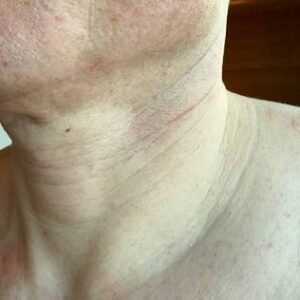
This is usually related to changes in the skin’s structural support. Common contributing factors include:
- Age-related collagen loss
- Reduced elastin
- Chronic sun exposure
- Naturally thin skin
- Significant weight loss
- Genetic factors
- Reduced skin elasticity
This type of neck aging cannot usually be corrected by treating one individual line. The broader quality and elasticity of the skin need to be considered.
Treatment Options for Neck Skin Laxity
Depending on the degree of laxity, a dermatologist or aesthetic physician may consider treatments designed to improve skin quality and stimulate collagen. Potential options include:
- Microneedling: Microneedling creates controlled micro-injuries in the skin and can stimulate a wound-healing response. It may be useful for certain fine lines and texture concerns.
- Radiofrequency microneedling: This combines micro-needling with radio frequency energy. The goal is to deliver controlled thermal energy at targeted depths while stimulating collagen remodeling.
- Fractional CO2 and other laser treatments: Selected laser procedures can improve skin texture and stimulate remodeling. The appropriate laser and settings depend heavily on skin type and the concern being treated.
- Skin boosters and biostimulatory approaches: Certain injectable products may be used in aesthetic medicine to improve skin quality or stimulate collagen-related changes. The appropriate product, indication, injection technique and safety considerations vary considerably.
- Energy-based skin tightening: Some non-invasive or minimally invasive technologies can provide modest improvement in skin laxity. The expected result depends on the degree of looseness and the technology used.
For mild to moderate laxity, non-surgical treatments may provide improvement, but they should not be presented as equivalent to surgery when substantial excess skin or structural changes are present. Professional plastic surgery guidance similarly distinguishes between the more limited improvements possible with non-surgical treatments and the greater structural correction possible with a neck lift.
3. Vertical Neck Bands and the Platysma Muscle
Vertical bands are different from horizontal neck lines.

They are associated with the platysma muscle, which extends across the front and sides of the neck. As facial and neck tissues change with age, these muscle bands can become more noticeable. When platysma bands are the primary concern, simply applying a cream to the skin will not address the underlying muscle activity.
Can Botox Help Platysma Bands?
Botulinum toxin, commonly known by the brand name Botox, can temporarily reduce muscle activity. In appropriately selected patients, it may be used to relax prominent platysma bands and can also contribute to a subtle improvement in the appearance of the lower face and jawline. This approach is sometimes referred to as a Nefertiti lift when botulinum toxin is used along selected areas of the platysma to reduce downward muscle pull and improve the appearance of the jawline. It is generally more suitable for selected patients with mild changes than for someone with significant loose skin or substantial structural aging. The results are temporary and require appropriate anatomical assessment and injection technique.
Why Neck Creams May Not Be Enough?
A good neck skincare routine still has value. Moisturizers can improve hydration and support the skin barrier. Sunscreen can reduce ongoing ultraviolet damage, while certain topical ingredients may improve aspects of skin texture over time. But skincare has limitations. A topical product cannot:
- Relax the platysma muscle
- Replace significant volume loss
- Remove excess skin
- Mechanically lift substantially lax tissue
- Correct deeper structural changes
This does not mean neck creams are useless. It means their role is different. Skincare is primarily about protecting and maintaining skin quality, while procedures may be considered when aging changes involve deeper structures or when topical care alone is insufficient.
Does Looking Down at Your Phone Really Cause “Tech Neck”?
The term “tech neck” is commonly used to describe horizontal neck creases and other visible changes associated with repeated downward positioning of the neck. Frequent neck movement can contribute to repeated folding of the skin, but it would be inaccurate to say that smartphones alone cause neck aging. Age, genetics, sun exposure, collagen loss and overall skin quality remain important factors. Simple habits can still help reduce unnecessary strain and support skin health:
- Hold phones closer to eye level
- Avoid prolonged downward positioning
- Take regular breaks from screens
- Maintain good posture
- Use sunscreen on the neck
- Include the neck in your regular skincare routine
These habits may support prevention and skin health, but they cannot reverse established structural aging on their own.
Why a Combination Approach May Be Necessary
One of the biggest mistakes in neck rejuvenation is assuming that one procedure should solve every concern. A patient may have horizontal lines, mild skin laxity and early platysma banding at the same time. In such cases, different concerns may require different approaches:
- Horizontal lines: May require targeted treatment of the creases and improvement in skin quality.
- Crepey or lax skin: May benefit from collagen-stimulating or skin-tightening approaches.
- Platysma bands: May be considered for botulinum toxin treatment in appropriately selected patients.
This is why an individualized treatment plan is often more appropriate than choosing a procedure simply because it is currently popular.
How a Dermatologist Assesses Neck Aging
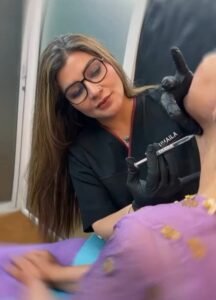
A proper consultation should look beyond the most visible line. A qualified dermatologist or aesthetic physician may assess:
- Skin thickness
- Skin elasticity
- Depth and pattern of lines
- Degree of laxity
- Platysma activity
- Jawline definition
- Sun damage
- Pigmentation
- Previous aesthetic treatments
- Medical history
- Current medications
- Patient expectations
The aim is to determine whether the primary problem is skin quality, muscle activity, volume, laxity, or a combination. This distinction matters because treating the wrong structure may produce limited results while exposing the patient to an unnecessary procedure. For patients considering neck rejuvenation in Islamabad, choosing a qualified dermatologist or aesthetic physician with experience in injectable treatments, lasers and skin-rejuvenation procedures is an important part of the decision-making process.
Is Neck Rejuvenation Safe?
The safety of any procedure depends on the treatment, product, technology, patient’s health, and expertise of the person performing it. Injectable treatments deserve particular attention because the neck contains important blood vessels, nerves and other anatomical structures. Dermal fillers, for example, can cause common temporary effects such as swelling and bruising, but rare vascular complications can be serious. This is why filler should never be treated as a routine beauty procedure or performed without appropriate medical training and knowledge of anatomy. Similarly, energy-based treatments need to be selected and adjusted according to skin type and treatment goals. The safest approach is not necessarily the most aggressive treatment. It is the treatment that is appropriate for the patient’s anatomy, concern and expectations.
What Results Should You Expect?
Neck rejuvenation should be approached with realistic expectations. Non-surgical treatments can improve certain lines, skin texture, mild laxity and muscle-related banding, but they do not stop the natural aging process. Results also vary according to:
- Age
- Skin quality
- Degree of aging
- Genetics
- Sun exposure
- Weight changes
- Treatment selection
- Number of sessions
- Individual healing response
More advanced structural aging may require a different level of intervention, including surgical options. A medical consultation should establish what can realistically be achieved without promising results that a particular treatment cannot deliver.
When Should You Consider Professional Assessment?
Consider speaking with a dermatologist or qualified aesthetic physician if:
- Neck lines are becoming deeper
- Your skin has become noticeably loose or crepey
- Vertical bands are becoming prominent
- You have persistent pigmentation or sun damage
- Skincare products are no longer addressing your concerns
- You are considering injectables or energy-based procedures
- You are unsure which treatment is appropriate
A consultation does not necessarily mean you need a procedure. It can simply help determine what is causing the change and whether treatment is appropriate.
Frequently Asked Questions
Can neck creams remove horizontal neck lines?
Neck creams can improve hydration, texture and barrier function, and some active ingredients may provide gradual improvements in skin quality. However, deeper established lines, muscle activity and significant skin laxity generally require a different approach.
What is the best treatment for horizontal neck lines?
There is no single treatment that is best for everyone. The appropriate option depends on the depth of the lines, skin quality, age, anatomy and other signs of neck aging. Depending on the patient, treatment may involve skin-quality procedures, collagen-stimulating treatments or carefully selected injectables.
Does Botox work for vertical neck bands?
Botulinum toxin can temporarily relax the platysma muscle and may improve the appearance of prominent vertical bands in appropriately selected patients. It is not a treatment for significant excess skin or severe neck laxity.
Can laser or radio-frequency tighten loose neck skin?
Certain laser and radio-frequency-based treatments can stimulate collagen remodeling and may provide improvement in skin texture and mild to moderate laxity. Results vary, and significant excess skin may require a different approach.
Is filler used to treat horizontal neck lines?
Dermal fillers may be considered for certain prominent horizontal neck lines in selected patients, particularly when the lines are deeper and related to volume loss or structural changes. However, filler is not suitable for every type of neck aging, and its use in the neck requires careful assessment of the skin, anatomy, depth of the lines, and the patient’s overall concerns. Treatment options and regulatory approvals also vary by product and location. A qualified dermatologist can determine whether filler or another approach, such as skin boosters, microneedling, radiofrequency, or laser treatment, is more appropriate.
Does “tech neck” go away on its own?
Early lines associated with repeated neck movement may be less noticeable when the neck is relaxed, but established lines can persist. Prevention, sun protection and appropriate skincare can help maintain skin quality, while procedures may be considered when lines become more established.
Can one treatment fix all signs of neck aging?
Usually, no. Horizontal lines, loose skin and platysma bands have different underlying causes. A combination approach may sometimes be considered when multiple types of aging are present.
Is neck rejuvenation suitable for everyone?
No. Treatment suitability depends on medical history, skin condition, anatomy, medications, expectations and the type and severity of neck aging. A professional assessment should come before injectable or energy-based treatment.
Neck aging is not one problem, so it should not be approached with one universal treatment. Horizontal lines may be related to repeated movement, aging and loss of skin support. Loose, crepey skin is more closely associated with changes in collagen, elastin and skin elasticity. Vertical bands are related to the platysma muscle and may respond differently to treatment.
The right approach begins with identifying what is actually causing the visible change.
A consistent skincare routine, daily sun protection and healthy lifestyle habits remain important for maintaining the neck. When those measures are no longer enough, a qualified dermatologist or aesthetic physician can assess the skin, muscle and underlying anatomy and determine whether procedural treatment is appropriate.
The goal of modern neck rejuvenation should not be to make the neck look artificially different. It should be to improve the specific signs of aging that concern the patient while maintaining natural facial and neck proportions.
If your neck lines, loose skin, or platysma bands are becoming more noticeable, the right treatment depends on what is causing them. A dermatologist can assess your neck and recommend a personalized combination of treatments, from skin rejuvenation and collagen-stimulating procedures to targeted options for lines and bands.
Book a consultation with Dr. Shumaila Khan at Dermalase, Islamabad, to discuss the most suitable approach for your neck.