
Why Your Skin Becomes Dry, Irritated and Acne Prone in Winter
Many people think winter is a safe season for the skin because there is less heat and less sweating. In reality, winter can be very harsh on the skin, especially in Pakistan. Cold air, low humidity, and indoor heating remove moisture from the skin and disturb its natural balance.
During winter, the skin loses water faster than usual. This leads to dryness, tightness, and irritation. If this dryness is ignored, it can gradually weaken the skin barrier and lead to long-term skin issues.
Understanding the Skin Barrier and Its Role
The skin barrier is the outer protective layer of the skin. Its primary function is to retain moisture and protect the skin from external damage. In winter, this barrier weakens due to reduced moisture and harsh skincare practices.
When the skin barrier is damaged, people may notice:
- Dry and rough texture
- Redness or itching
- Increased sensitivity
- Products causing burning or stinging
A damaged barrier makes the skin more reactive and vulnerable to breakouts.
Why Acne Can Appear Even When Skin Is Dry
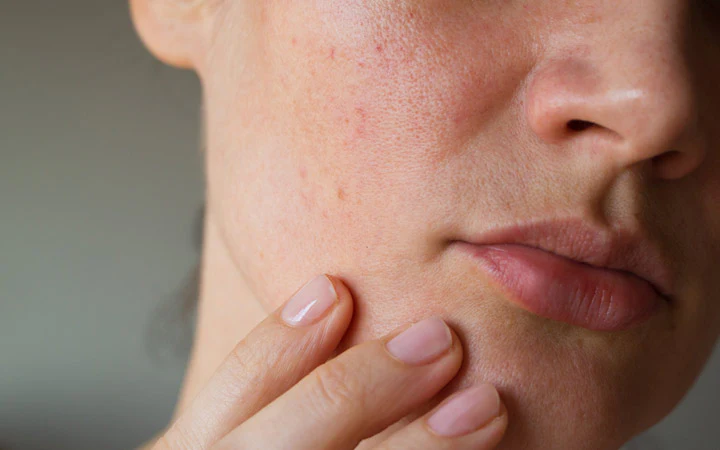
One common misconception is that acne only occurs in oily skin. In winter, many people experience acne along with dryness, which can be confusing.
When skin becomes too dry, it tries to protect itself by producing more oil. This excess oil can clog pores, especially when dead skin cells build up. As a result, acne breakouts appear even though the skin feels dry.
Certain winter habits can make this worse, such as overwashing the face, using alcohol based products, or avoiding moisturizer out of fear of acne.
Common Winter Skincare Mistakes
Many winter skin problems are caused by small daily mistakes. These habits further damage the skin barrier and slow recovery.
Some common mistakes include:
- Washing the face with hot water
- Using harsh scrubs on dry or irritated skin
- Skipping sunscreen in winter
- Using home remedies without medical advice
- Applying fairness creams or steroid creams
These practices may give temporary relief but often cause more damage over time.
Also Read: Tired of Eczema Breakouts? Here are 5 Ways to Prevent Its Occurrence This Winter
When Winter Skin Problems Need a Dermatologist
Mild dryness can improve with basic care. However, medical attention is important if skin problems do not resolve or recur. You should consult a dermatologist if you notice ongoing acne, persistent redness, itching, or dark marks after irritation. Skin that suddenly becomes sensitive to products also needs proper evaluation.
Early treatment helps prevent scarring, pigmentation, and chronic skin sensitivity.
How Dermatologists Manage Winter Skin Issues
Dermatologist in Islamabad treatment focuses on repairing the skin barrier and treating the root cause. Treatment plans are tailored based on skin type and condition.
Management may include gentle cleansers, suitable moisturizers, and acne treatments that do not dry out the skin further. In some cases, in clinic procedures are recommended to improve skin health safely.
Simple Winter Skincare Tips That Help
Healthy winter skin does not require complicated routines. Small changes can make a big difference.
Use a gentle cleanser, moisturize regularly even if you have acne, avoid hot water on the face, and apply sunscreen daily. Avoid experimenting with harsh products or self-treatments.
Conclusion
Dryness, irritation, and acne during winter are signs that the skin needs proper care. Ignoring these signs can lead to long-term skin problems. With the right approach and timely guidance, winter skin issues can be managed safely and effectively.
Book a Consultation
If you are facing dry skin, irritation, or acne during winter and want professional guidance, consult Dr. Shumaila Khan for personalized dermatology care.
Call: (+92) 304 1110844, (+92) 51 2211113, (+92) 303 555 8444 & (+92) 303 555 8222
Visit us at: A-103, Main Sumbal Road, F-10/1, Islamabad
Clinic Direction: https://maps.app.goo.gl/JaFoKc5hm59TT2WS6
For more details, visit: www.drshumailakhan.com
Visit us at: A-103, Main Sumbal Road, F-10/1, Islamabad
Clinic Direction: https://maps.app.goo.gl/JaFoKc5hm59TT2WS6
For more details, visit: www.drshumailakhan.com