
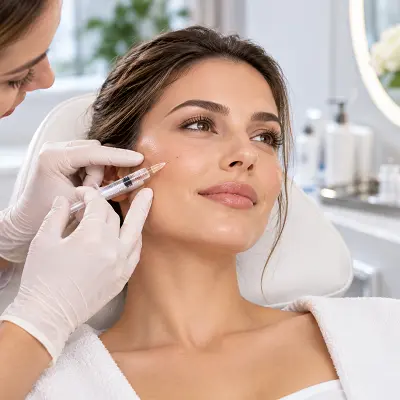
Dermatology includes every treatment that diagnoses, cures, controls or improves a condition of the skin, hair, nails and the mucous membranes of the mouth and genitals. These treatments fall into six groups: medical dermatology, procedural (surgical) dermatology, laser and energy-based dermatology, cosmetic dermatology, hair and scalp treatment (trichology), and nail treatment. A dermatologist chooses between them after diagnosing the cause of your concern, not just its appearance.
Key takeaways
- Dermatology treats more than 3,000 conditions, from acne and eczema to hair loss and skin cancer.
- Treatments range from a prescription cream to biopsies, lasers, injectables and phototherapy.
- In Pakistan, melasma, fungal infections, acne and pigmentation are the most common reasons people visit a skin specialist.
- Brown skin (Fitzpatrick types III–V) needs adjusted laser and peel settings to avoid dark marks after treatment.
Table of Contents
- What Is Dermatology?
- The 6 Types of Dermatology Treatments
- When Should You See a Dermatologist?
- Dermatologist vs Aesthetic Physician vs Beautician: Who Should Treat You?
- What Happens at a Dermatology Consultation?
- How to Choose the Best Dermatologist in Islamabad
- Dermatology Treatments at Dermalase by Dr. Shumaila Khan
- Frequently Asked Questions
What Is Dermatology?
Dermatology is the branch of medicine that deals with the skin, hair and nails. The skin is the body’s largest organ, so dermatology covers inflammatory diseases (eczema, psoriasis), infections (fungal, bacterial, viral), pigment disorders (melasma, vitiligo), growths (moles, warts, cysts, skin cancer), hair and nail disorders, and age-related or cosmetic changes such as wrinkles, scars and sagging. A doctor who specialises in this field is called a dermatologist or skin specialist.
The 6 Types of Dermatology Treatments
| Branch | Goal | Example treatments | Example conditions |
| Medical dermatology | Treat skin disease | Prescription creams, oral medicines, phototherapy | Acne, eczema, psoriasis, fungal infection |
| Procedural dermatology | Diagnose or remove lesions | Biopsy, cryotherapy, cautery, excision | Moles, warts, skin tags, cysts |
| Laser & energy-based | Target pigment, hair, scars, laxity | Diode, Pico, CO2, RF microneedling, HIFU | Unwanted hair, melasma, acne scars |
| Cosmetic dermatology | Improve appearance | Botox, fillers, peels, HydraFacial | Wrinkles, volume loss, dull skin |
| Trichology (hair & scalp) | Stop hair loss, treat scalp | Minoxidil, PRP, mesotherapy, injections | Hair thinning, alopecia areata, dandruff |
| Nail treatment | Treat nail disease | Antifungals, partial nail removal | Nail fungus, ingrown nail |
These branches overlap. Acne, for example, starts in medical dermatology (medication) and often ends in laser dermatology (scar repair).
1. Medical Dermatology Treatments
Medical dermatology treats skin diseases with medicines and light therapy. It is the foundation of dermatology, because most skin concerns need a correct diagnosis and prescription before any procedure.
Topical Treatments
Topical treatments are creams, gels, lotions and solutions applied directly to the skin. Common ones include:
- Retinoids (adapalene, tretinoin) for acne and early ageing
- Topical antibiotics (clindamycin) and benzoyl peroxide for inflamed acne
- Antifungals (terbinafine, clotrimazole) for ringworm and yeast infections
- Corticosteroids of controlled strength for eczema and dermatitis
- Calcineurin inhibitors (tacrolimus) for eczema on the face and eyelids
- Pigment-correcting agents (azelaic acid, tranexamic acid, prescribed hydroquinone) for melasma
Oral (Systemic) Medications
Oral medicines are used when skin disease is widespread, severe or not responding to creams. These include isotretinoin for severe or scarring acne, doxycycline for inflamed acne and rosacea, oral antifungals for extensive fungal infection, antihistamines for hives and itching, and immune-modulating drugs such as methotrexate for severe psoriasis. These need blood tests and monitoring, which is why they are prescribed only after consultation.
Phototherapy
Phototherapy uses controlled ultraviolet light to calm overactive skin immunity. Narrowband UVB, PUVA and excimer light treat psoriasis, vitiligo and chronic eczema over a course of sessions.
Advanced Therapies
For severe psoriasis, eczema or alopecia areata, newer biologic injections and JAK inhibitors target the specific immune pathway causing the disease. They are reserved for cases where standard treatment has failed.
2. Procedural and Surgical Dermatology
Procedural dermatology covers in-clinic procedures used to diagnose skin disease or remove growths, usually under local anaesthesia.
Diagnostic Procedures
A dermatologist confirms the diagnosis before treating. Key tests are:
- Dermoscopy: a magnified, lit view of moles and pigment
- Wood’s lamp: UV light that shows pigment depth in melasma and vitiligo, and some fungal infections
- KOH test: a skin scraping checked for fungus
- Patch test: identifies the cause of allergic contact dermatitis
- Skin biopsy: a small sample sent to a lab to confirm conditions such as skin cancer or unusual rashes
Removal Procedures
- Cryotherapy (liquid nitrogen) freezes warts and some benign spots
- Electrocautery and radiofrequency ablation remove skin tags, milia and small growths
- Surgical excision removes cysts, suspicious moles and lipomas with stitches
- Mohs surgery removes certain skin cancers layer by layer while saving healthy tissue
Intralesional Injections
Medicine injected directly into a lesion treats keloids, hypertrophic scars, cystic acne nodules and patches of alopecia areata.
3. Laser and Energy-Based Dermatology Treatments
Laser and energy-based treatments use light, radiofrequency or ultrasound energy to target a specific structure in the skin: pigment, hair follicles, blood vessels, water or collagen.
| Technology | What it targets | Treats |
| Diode laser (e.g. Alma Soprano Titanium) | Hair follicle pigment | Laser hair removal |
| Pico / Q-switched Nd:YAG laser | Pigment particles | Melasma, freckles, tattoos |
| Fractional CO2 laser | Water in skin tissue | Acne scars, surgical scars, texture |
| RF microneedling (e.g. SylfirmX) | Deep dermis and vessels | Acne scars, melasma, large pores |
| Monopolar RF (e.g. Oligio) and HIFU | Collagen layers | Skin tightening, jowls, fine lines |
| Vascular laser | Haemoglobin in blood vessels | Spider veins, port wine stains |
Are Lasers Safe for Brown Skin?
Yes, when the device and settings match the skin type. Pakistani skin is mostly Fitzpatrick type III–V, which has more melanin and a higher risk of post-inflammatory hyperpigmentation (dark marks) after aggressive treatment. A dermatology team reduces this risk by choosing pigment-safe wavelengths, using lower energy with more sessions, doing test spots, preparing the skin beforehand and enforcing strict sun protection afterwards.
4. Cosmetic (Aesthetic) Dermatology Treatments
Cosmetic dermatology improves the appearance of healthy skin. It treats ageing, volume loss, dullness, uneven tone and facial proportions.
Injectable Treatments
- Botulinum toxin (Botox): relaxes muscles that cause frown lines, forehead lines and crow’s feet; also slims the jaw (masseter) and reduces excessive sweating
- Dermal fillers (hyaluronic acid): restore volume in cheeks, lips, under-eyes and jawline. See dermal fillers in Islamabad
- Skin boosters and mesotherapy: micro-injections of hydrating and brightening ingredients
- PRP and exosomes: use growth factors to support collagen and skin repair
- Thread lifts: dissolvable threads that lift and tighten sagging skin without surgery
Skin Resurfacing and Facials
- Chemical peels: controlled exfoliation with acids (glycolic, salicylic, TCA) for acne, pigmentation and texture
- Microdermabrasion and carbon laser peel: refine pores and brighten tone
- HydraFacial: cleanses, extracts and hydrates in one session with no downtime
5. Hair and Scalp Treatments (Trichology)
Dermatology treats hair because hair grows from the skin. The most common hair conditions are androgenetic (pattern) hair loss, telogen effluvium (shedding after stress, illness or childbirth), alopecia areata (patchy loss), and scalp conditions such as dandruff and scalp ringworm.
Treatment starts by finding the cause, often with blood tests for iron (ferritin), thyroid and vitamin D. Options include topical minoxidil, oral medicines where suitable, intralesional injections for alopecia areata, and PRP for hair loss or hair mesotherapy to strengthen thinning follicles. Read more on hair loss treatment in Islamabad.
6. Nail Treatments
Nails show both local disease and internal health. Dermatologists treat nail fungus (onychomycosis) with oral and topical antifungals, paronychia (infected nail folds), nail psoriasis, and ingrown toenails with partial nail removal. Changes such as a new dark streak under a nail need examination to rule out melanoma.
Which Dermatology Treatment Do You Need?
| Concern | First-line treatment | Advanced option | Typical course |
| Active acne | Topical retinoid + antibacterial | Oral therapy, peels | 8–12 weeks to assess |
| Acne scars | Microneedling | Fractional CO2, RF microneedling | 3–5 sessions |
| Melasma | Sunscreen + prescription cream | Pico laser, peels, tranexamic acid | Ongoing maintenance |
| Unwanted hair | — | Diode laser hair removal | 6–8 sessions |
| Fine lines | Retinoid, sunscreen | Botox, skin boosters | Every 4–6 months |
| Sagging skin | — | HIFU, RF, thread lift | 1–3 sessions |
| Hair thinning | Minoxidil, lab tests | PRP, mesotherapy | 3–4 monthly sessions |
| Fungal infection | Antifungal cream | Oral antifungal | 2–6 weeks |
Course length varies by severity and skin type. Your dermatologist confirms the plan after examination.
Common Skin Problems in Pakistan and How Dermatology Treats Them
- Melasma and pigmentation: Strong sun and hormonal changes make melasma one of the most frequent complaints in Pakistani women. It needs long-term sun protection plus combined therapy; lasers alone cause relapse.
- Fungal infections (ringworm/tinea): Heat and humidity spread fungal infections, and misuse of over-the-counter steroid creams makes them wider and harder to cure. A KOH test and correct antifungal course are essential.
- “Formula” and whitening cream damage: Unregulated mixed creams can contain strong steroids or mercury, leading to thin skin, redness, acne and rebound pigmentation. Dermatology treats this by safely stopping the cream and repairing the skin barrier.
- Acne in humid months: Sweat and heavy products worsen breakouts during summer and monsoon in Islamabad and Rawalpindi.
- Winter eczema: Dry, cold air from November to February triggers eczema flares and cracked skin.
When Should You See a Dermatologist?
See a dermatologist if you notice any of the following:
- A mole that changes in size, shape or colour, bleeds, or looks different from your other moles
- A rash, itch or patch that does not improve in two weeks
- Acne that leaves scars or dark marks
- Sudden or patchy hair loss
- A sore that does not heal
- Skin reacting badly to a cream or a salon treatment
Dermatologist vs Aesthetic Physician vs Beautician: Who Should Treat You?
A dermatologist diagnoses and treats skin, hair and nail disease. An aesthetic physician is a medical doctor trained in cosmetic procedures such as Botox, fillers, threads and lasers. A beautician is not a doctor and should not perform injections, prescribe medicines or operate medical lasers. For safe results, check that your doctor is registered with the Pakistan Medical and Dental Council (PMDC) and holds recognised dermatology or aesthetic medicine qualifications.
What Happens at a Dermatology Consultation?
- History: your concern, how long it has lasted, products and medicines used
- Examination: skin, hair or nails, often with dermoscopy or Wood’s lamp
- Tests if needed: scraping, patch test, blood work or biopsy
- Diagnosis and plan: medical, procedural, laser or aesthetic, often combined
- Aftercare and follow-up: sun protection, home routine and review visits
How to Choose the Best Dermatologist in Islamabad
The best dermatologist in Islamabad for you is the one who diagnoses first and sells second. Look for:
- Verified qualifications in dermatology and aesthetic medicine
- A team that offers medical, laser and cosmetic treatments under one roof, so you are not pushed toward the only service available
- FDA-approved devices with settings suitable for brown skin
- Real before-and-after results and verified Google reviews
- Clear explanation of sessions, side effects and aftercare
Dermatology Treatments at Dermalase by Dr. Shumaila Khan
Dermalase is a skin, laser and aesthetic clinic at A-103, Main Sumbal Road, F-10/1, Islamabad, led by Dr. Shumaila Khan, an aesthetic physician with a Diploma in Dermatology from Cardiff University, Wales (UK) and board certification from the American Academy of Aesthetic Medicine (AAAM). She works with a team of dermatologists and has been treating patients in Islamabad for more than 15 years.
At Dermalase, patients get:
- Medical dermatology: acne, melasma, pigmentation, eczema and psoriasis care
- Laser treatments: laser hair removal, Pico laser, fractional CO2, spider vein and birthmark removal
- Cosmetic treatments: Botox, dermal fillers, non-surgical rhinoplasty, jawline contouring, thread lifts and non-surgical facelift
- Hair treatments: PRP, hair loss programmes and scalp care
- Technology: HydraFacial MD, Alma Soprano Titanium, SylfirmX, Oligio, HIFU and Pico laser
Book a free skin assessment: Call or WhatsApp (+92) 303 555 8444. You can also send a photo of your skin concern on WhatsApp for guidance. Clinic hours: Monday to Saturday, 11 am to 8 pm.
Frequently Asked Questions
Is cosmetic treatment part of dermatology?
Yes. Cosmetic dermatology covers Botox, fillers, peels, lasers and skin rejuvenation, and is safest when done by doctors who also understand skin disease.
Does a dermatologist treat hair loss?
Yes. Dermatologists diagnose the type of hair loss and treat it with medicines, injections, PRP or mesotherapy.
What is the difference between a dermatologist and a skin specialist?
In Pakistan, both terms usually mean the same doctor who treats skin, hair and nail conditions.
Can laser treatment darken brown skin?
It can if settings are wrong. Correct wavelength, test spots and sun protection reduce the risk of post-inflammatory hyperpigmentation.
How many sessions does a dermatology treatment need?
It depends on the treatment. HydraFacial shows results in one session, laser hair removal needs about 6–8, and melasma needs ongoing maintenance.
Which is the best clinic for dermatology treatments in Islamabad?
Choose a clinic with qualified doctors, a dermatology team and FDA-approved devices. Dermalase in F-10/1, led by Dr. Shumaila Khan, offers medical, laser, cosmetic and hair treatments in one place.